

| |
| home |
| projects |
| contact me |
| links |
FOOD PARCELS - harvested by hand from Suffolk's beaches
guaranteed to tempt turtles and marine mammals!
xxxt
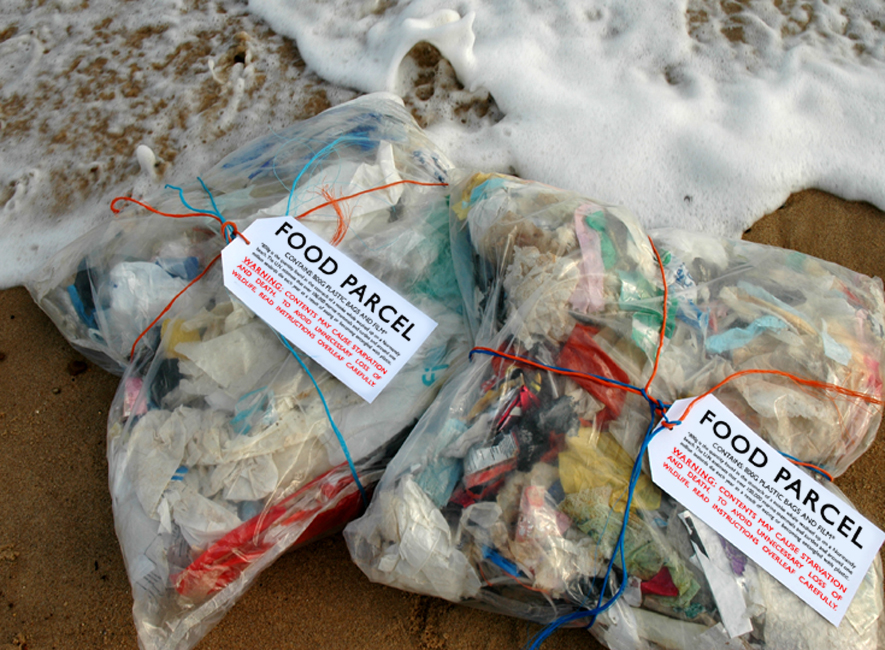
What's in it?
Each one contains 800g of plastic bags and film - the quantity
found inside the stomach of a minke whale washed up on a Normandy beach.
The U.N. estimate that over 100,000 marine mammals and turtles die each
year as a result of eating or becoming entangled with plastic. (See picture
of typical contents below.)
May also contain: toxins including dioxins
and other persistent organic pollutants in high concentrations. These
may be seriously damaging to health.
Avoid all contact
with humans.
IMPORTANT: Read the warnings below before ordering.
WARNING:
CONTENTS MAY CAUSE STARVATION AND DEATH. TO AVOID UNNECESSARY LOSS OF
WILDLIFE, READ INSTRUCTIONS BELOW CAREFULLY.
Instructions:
Approximately 13 billion plastic bags are given out to shoppers in Britain
every year and huge numbers of them end up in our oceans. Plastic bags
are one of the most common items seen floating out at sea.
Floating plastic bags mimic the movement of jellyfish, turtles’ favourite
food. As a result, they are often mistaken for food by turtles and marine
mammals, causing a slow and painful death. Five different species of
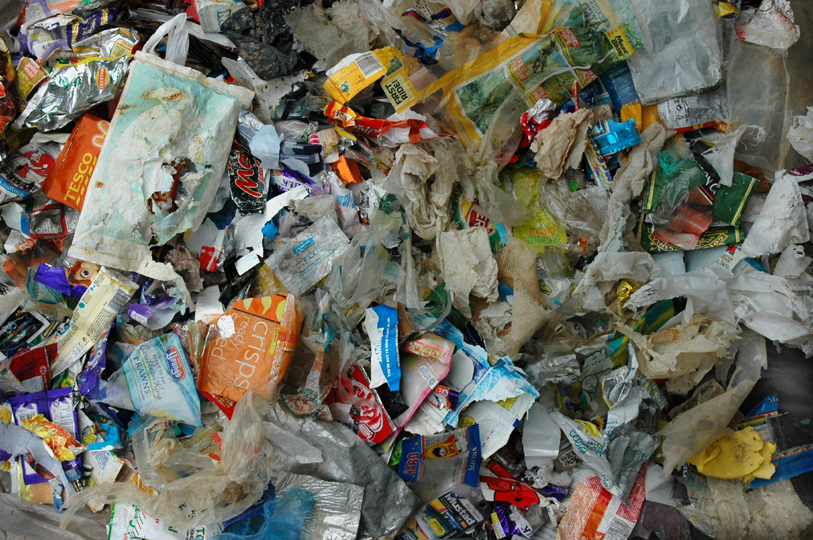
turtle visit our UK waters often with deadly results - many of the items
in our food parcels contain holes and bite marks.
Plastic can take up to 1000 years or more to degrade in sea-water. Even
then microscopic particles remain which find their way into our environment,
becoming more concentrated in creatures at the top of the food chain
(for example, humans and dolphins). Some items in our parcels are over
30 years old (dated by on-pack special offers).
To help minimise future damage to marine wildlife, our environment and
ourselves, never leave rubbish on the beach, at sea or in rivers, always
collect and dispose of properly any plastic you see on the beach, avoid
flushing sanitary towels or liners down the toilet, reduce your own use
of plastic as much as possible (especially ‘disposable’ items),
re-use as much as you can and always dispose of plastic properly at the
end of its useful life.
Many countries have now banned plastic bags or imposed taxes to reduce
their use: campaign for the measures you would like Government and corporations to take.
Patent applied for.
Typical content of our food parcels:
Another production from www.flyintheface.com.